Summer humidity and heavy rain can create ideal conditions for moisture problems in finished basements, wine rooms, and home gyms throughout Westchester County. Even if you have never had flooding in your lower level, excess humidity can damage drywall, flooring, insulation, and stored belongings. It creates an environment where mold thrives. The best way to avoid costly repairs is to prevent moisture problems before they start.
However, if you do experience a flood event or discover mold issues, Paul Davis Restoration of Fairfield and Westchester Counties is here to help. We act quickly to address water damage and deliver mold remediation and comprehensive residential restoration services.
Some of the keys to preventing summer moisture damage in these spaces include good ventilation, controlling indoor humidity, maintaining gutters, downspouts, and drainage systems, and vigilant monitoring for signs of leaks. Fast action is crucial if you discover mold or moisture intrusion.
Read on for more information and tips from our experts on preventing damage from summer heat, humidity, and rain in Westchester and Fairfield Counties.
Why Are Westchester & Fairfield Basements More Vulnerable in Summer?
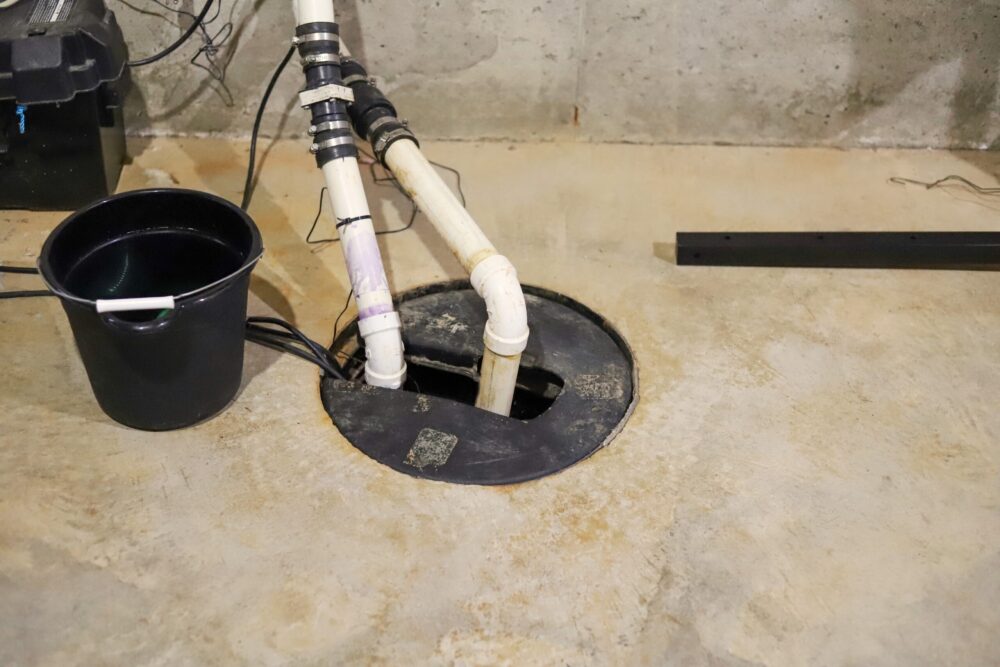
Our summers bring high humidity, frequent thunderstorms, and periods of heavy rainfall. Moisture can enter lower levels of Westchester and Fairfield County homes through foundation walls, small cracks, and window wells, even if you do not see standing water.
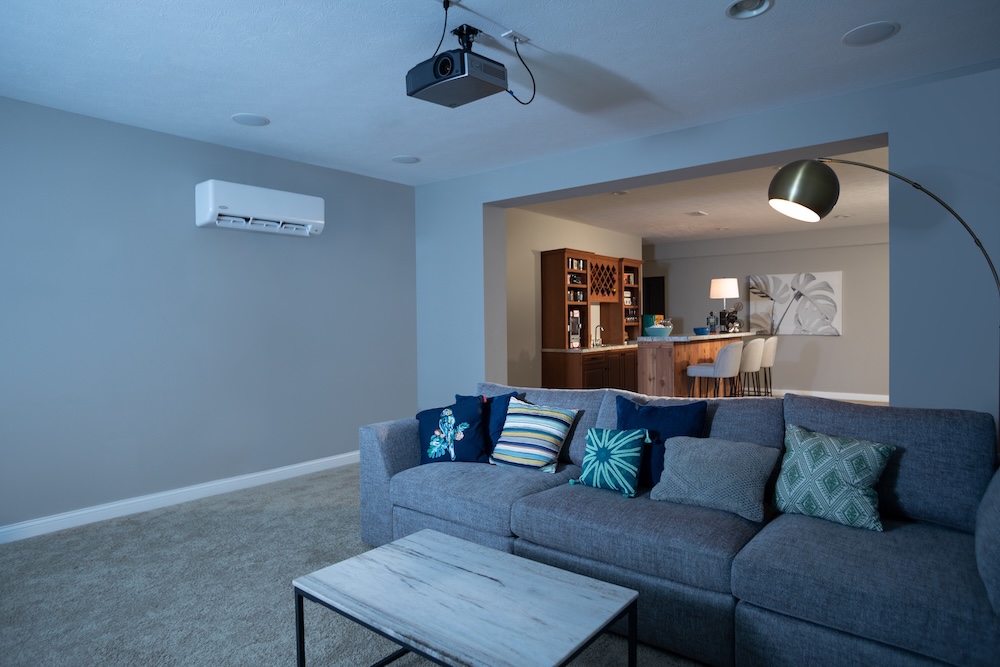
Finished basements, wine rooms, and home gyms typically feature drywall, wood framing, carpeting, flooring, and insulation. These materials easily absorb moisture, making them more susceptible to damage and mold growth than unfinished concrete spaces.
- Heavy rainfall
- High humidity
- Foundation seepage
- Poor ventilation
- Condensation on cool surfaces
- AC drain line leaks
How Does Humidity Affect Finished Basements and Specialty Rooms?
High humidity does more than make a room feel uncomfortable. Over time, excess moisture can weaken building materials, reduce indoor air quality, and damage finishes and equipment.
Finished Basements
High outdoor heat and humidity clash with the cooler air inside basements, which can lead to condensation on windows. While usually minor, this condensation can drip down and soak past seals and into walls. This can invite mold growth over time.
Drywall can absorb moisture, causing staining, swelling, or deterioration. Wood trim and framing may expand or warp, while carpet padding can trap moisture beneath the surface. Even vinyl or laminate flooring may develop problems if moisture becomes trapped beneath it.
Wine Rooms

Wine storage requires carefully controlled humidity. Excess moisture entering these spaces can damage wood racking, encourage mold growth, and affect labels or corks. Maintaining consistent environmental conditions helps preserve both the room and the collection.
Home Gyms
Humidity can damage rubber flooring, contribute to odors, and increase the likelihood of mold around walls and exercise mats. Moisture also accelerates corrosion on metal fitness equipment and can affect electronics. Since you’re also frequently breaking a sweat in a home gym, inadequate ventilation can contribute to more moisture problems compared to other spaces.
Which Building Materials Are Most Susceptible to Humidity?
Not every material responds to moisture the same way. Porous building materials absorb moisture more readily than nonporous materials. Unfortunately, this allows moisture to remain trapped long after the air feels dry. Over time, that moisture can weaken wood and create favorable conditions for mold growth.
Drywall, insulation, carpeting, and ceiling tiles are among the most vulnerable materials in finished basements. Wood flooring may cup or expand as humidity rises, while adhesives beneath flooring can begin to break down. Even furniture, cardboard storage boxes, and upholstered seating can retain moisture and develop musty odors if humidity remains elevated for several days. Inspecting these materials after periods of heavy rain or prolonged humidity can help identify moisture problems before permanent damage occurs.
Why Is a Quick Response So Important After Water Intrusion?
Moisture rarely stays where it first appears. Water can migrate beneath flooring, behind drywall, and into insulation. This makes the affected area much larger than what is visible on the surface. Acting quickly helps reduce the amount of restoration work that may become necessary.
Our advanced moisture detection equipment can locate water hidden inside walls, under finished floors, and around structural framing. Identifying these areas allows us to dry them before mold develops or building materials begin to deteriorate.
Even minor leaks or small amounts of seepage deserve attention. Prompt mitigation helps prevent moisture from spreading into surrounding building materials and reduces the likelihood of mold damage.
What Are the Signs of Hidden Mold?
Mold often develops before it becomes visible. Detecting a moisture problem early gives you the best opportunity to limit damage and avoid bigger restoration projects.
- Musty odors
- Persistent dampness
- Peeling paint
- Warping trim or flooring
- Water stains
- Condensation on walls or windows
You may also notice allergy-like symptoms that seem worse when you spend time in your basement. While these signs do not confirm mold, they often indicate excess moisture that needs professional attention.
How Can You Prevent Mold and Moisture Damage?
Preventing mold starts with reducing excess moisture throughout the summer. One of the most effective ways to control humidity is to use a dehumidifier.
Proper ventilation also helps prevent moisture from becoming trapped in your basement. Open basement windows when weather permits, and use box fans to improve airflow. Also, make sure the HVAC vents on lower levels are unobstructed so that air can circulate throughout the space. It also helps to keep storage boxes and furniture a few inches away from exterior walls to promote air movement.
Gutters, downspouts, and drainage systems direct rainwater away from your foundation. It is a good idea to inspect them and address issues early in the spring to ensure they can handle the challenges of summer weather.
What Should You Do if You Discover Water or Mold Damage?
If you find standing water, damp building materials, or visible mold, professional restoration is the safest next step. Moisture hidden behind drywall or beneath flooring can continue spreading long after surfaces appear dry.
A professional assessment helps identify the full extent of the problem, locate hidden moisture, and determine whether mold has spread into concealed areas. A fast response also reduces the likelihood of additional structural damage.
If you suspect mold, Paul Davis Restoration of Fairfield and Westchester Counties provides professional mold damage restoration services. We address contamination and restore affected areas. If your home experiences flooding, our team also provides water damage restoration services. We fully return your finished basement to its original condition, whether the damage was due to storm flooding, a broken pipe, or humidity problems.
Protect Your Westchester Home From Summer Moisture Damage
Summer humidity and heavy rain can affect finished basements, wine rooms, and home gyms even when flooding is not obvious. Identifying moisture and addressing water intrusion help to protect your home’s finishes, indoor air quality, and long-term value.
If you discover water or mold damage, contact Paul Davis of Fairfield and Westchester Counties for professional water and mold damage restoration services throughout the area.